Signs point the way to measles testing in the parking lot of the Seminole Hospital District across from Wigwam Stadium on February 27, 2025 in Seminole, Texas. (Jan Sonnenmair/Getty Images, FILE)
The CDC says 5,412 infections have been reported across 45 states. That is 230 more infections since the update last Friday. Between 2000-2024, the United States averaged 180 cases annually.
A total of eight deaths have been reported by state health departments -- six in Pennsylvania, one in New York and one in Wisconsin.
The number of kindergartners vaccinated with the measles vaccine dropped from 95% in 2019 to 92% in 2026. Herd immunity is typically provided at 95% vaccination rates in communities. There are now roughly 300,000 kindergartners that entered classrooms this year without being vaccinated.
The measles, mumps, and rubella (MMR) vaccine comes in two doses. The first dose is received between 12-15 months of age, followed by a second dose between 4-6 years of age. Those two doses are 97% effective at preventing infection. Even if still infected, those vaccinated are less likely to become severely ill.
More on measles
Measles in the most contagious disease in the world. A sick individual can infect 90% of unvaccinated people they come into contact with. The virus lives on surfaces and in the air two hours after a sick person leaves the room.
Measles is not just a rash. One in 10 children with measles get ear infections and one in 10 children with measles get diarrhea.
One in 5 people that are unvaccinated land in the hospital, while one in 20 children get pneumonia.
Additionally, one in 1,000 children get encephalitis, a swelling of the brain that can lead to seizures, deafness, of intellectual disability.
Nearly one to three of every 1,000 children who become infected die from respiratory and neurological complications.
In this July 13, 2026, file photo, Brigham and Women's Hospital nurses are shown in Boston. (Pat Greenhouse/The Boston Globe via Getty Images, FILE)
Brigham and Women's Hospital in Boston and a union representing about 4,000 registered nurses reached a tentative deal late Wednesday, averting an indefinite strike.
"We are pleased that Brigham and Women's Hospital has reached a tentative agreement with the Massachusetts Nurses Association and the MNA has called off its scheduled indefinite strike," the hospital said in a statement.
The hospital said the tentative agreement is subject to ratification by nurses in the bargaining unit.
"We deeply value our Brigham nurses and believe this agreement recognizes their important contributions while supporting the long-term sustainability of our hospital and our ability to care for our patients and communities," the statement continued. "We are also grateful to the nursing leaders, clinicians and staff across Mass General Brigham who worked tirelessly to ensure we were prepared to provide safe, high-quality care under any circumstance."
The nurses previously said they are seeking a fair contract that will protect patient care, strengthen the workforce and provide competitive wages.
Among the nurses' proposals were limiting the hospital's use of temporary nurses, fair compensation including a cost-of-living increase and affordable health insurance with plan choice.
The Massachusetts Nurses Association (MNA), which represents the nurses, said some progress was made during off-the-record bargaining on Monday but the two sides failed to reach a resolution at thte time.
"We are ready to resume negotiations any time before [Nov.] 12 to reach an agreement to avert the strike," Kelly Morgan, a BWH labor and delivery nurse and chair of the MNA, said in a statement earlier this week. "[Mass General Brigham] is aware of [what] they need to do to reach an agreement. We hope MGB will return to the table to negotiate in good faith and meet the needs of nurses and patients. As always, we are united for safe patient care and a fair contract."
The hospital said it was offering increased base wages for all nurses, including a 2.5% raise each year for nurses at the top of all pay scales; no increase in the health insurance premium contribution percentage for current nurses; and increasing its annual professional development reimbursement fund to $1 million.
In July, BWH nurses held a one-day strike. BWH prevented the nurses from returning to work for four additional days, saying that temporary nurses were contracted for five days of work, according to local ABC News affiliate WCVB.
Since then, the nurses say the hospital has refused to "meaningfully negotiate." MNA said the hospital told nurses in August it was not willing to negotiate unless significant changes were made to the latest proposal.
In September, the unionized nurses voted "overwhelmingly" to authorize an open-ended strike. MNA said at the time this would be the largest open-ended registered nurse strike in state history.
Last month, nurses also voted to reject what the hospital described as its "last, best, and final" contract offer.
BWH said the agreement on Thursday is "within the financial limits of the hospital's last, best and final offer presented on Oct. 10."
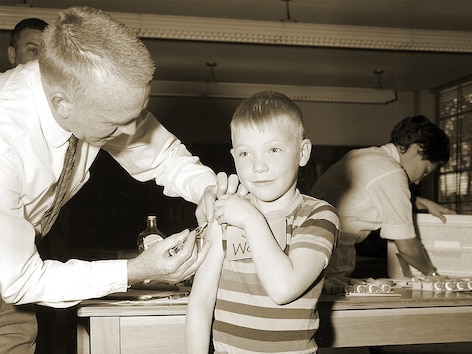
This 1962 file photo shows a schoolboy receiving a measles vaccination at the Fernbank School in Atlanta. (Smith Collection/Gado via Getty Images, FILE)
A meeting is underway that will determine whether the United States has lost its measles elimination status.
Prior to the advent of the first measles vaccine in 1963, millions of people were estimated to be infected every year and hundreds of people died, according to the Centers for Disease Control and Prevention (CDC).
However, a highly successful vaccination campaign drove case numbers to historic lows, and the virus was declared eliminated from the U.S. in 2000.
Now, the country is facing the highest number of measles cases recorded in more than three decades and at least eight deaths have been reported, putting that hard-earned status at risk.
Here's a look at a history of measles cases in the U.S. and key moments in vaccine development and administration.
Pre-1963
In the decade before the first measles vaccine became available, nearly all children contracted the disease by the time they were 15 years old, according to the CDC.
Every year, an estimated 3 to 4 million people in the U.S. were infected, 48,000 people were hospitalized and 400 to 500 people died, the CDC says. Additionally, an estimated 1,000 people suffered encephalitis -- swelling of the brain -- each year.
In 1954, John F. Enders -- a scientist who shared the Nobel Prize for work that led to the development of the Salk polio vaccine -- sent pediatrician Dr. Thomas C. Peebles to a boarding school near Boston that had an outbreak of measles.
The goal was to isolate the virus from blood samples and throat swabs to develop a vaccine.
Peebles succeeded using a sample from 11-year-old David Edmonston, according to the World Health Organization (WHO), and later cultivated the virus. Enders would use the cultivated material to develop a measles vaccine.
1963
Annual cases: 385,156
In 1963, the first measles vaccine was licensed and approved using a live, weakened version of the Edmonston-B strain of measles virus.
The vaccine had been tested on small groups of children from 1958 to 1960 ahead of trials involving thousands of children in the U.S. and Nigeria, according to the WHO. In 1961, it was declared to be "100% effective."
The recommended age for vaccination was 9 months in 1963, but it was changed to 12 months in 1965 due to better immune response at later ages, according to the CDC.
1968
Annual cases: 22,231
After 1967, the inactivated vaccine was discontinued because it did not protect well against measles, the CDC said.
Dr. Maurice Hilleman, who was already an influential vaccinologist at the time, developed an improved version of the vaccine by weakening the virus even further, leading to less severe disease effects, according to the WHO.
This version, known as the Edmonston-Enders strain, became available in 1968.
In 1971, Hilleman combined the three strains into what's medically defined as a trivalent shot: the measles, mumps and rubella (MMR) vaccine.
The rubella vaccine component was changed in 1979 after new one that offered better protection was developed, but the mumps and measles vaccine have remained unchanged in the U.S. since 1971.
1978
Annual cases: 26,871
The 1970s brought many changes to measles vaccine distribution. In 1975, the original live Edmonston B vaccine was no longer distributed due to a "relatively high frequency of fever and rash in recipients," the CDC said.
A year later, it was recommended that children be vaccinated at 15 months of age after studies showed higher antibody levels in children vaccinated after 12 months old.
The CDC set a goal in 1978 to eliminate measles from the U.S. in four years. While the goal was not met in 1982, widespread vaccination began to drive down recorded cases.
According to the CDC, the number of reported measles cases by 1981 was 80% lower compared to the previous year.
1989
Annual cases: 17,914
In the late 1980s, measles outbreaks were occurring in the U.S. primarily among unvaccinated preschool-aged children and among vaccinated school-aged children.
This led to the CDC's Advisory Committee on Immunization Practices, the American Academy of Pediatrics and the American Academy of Family Physicians recommending in 1989 that children receive a second MMR dose.
The ACIP said the second dose was recommended when a child enters school, generally between ages 4 and 6.
"When fully implemented, this schedule should lead to the elimination of measles among school-aged children and college students," the ACIP wrote at the time.
2000
Annual cases: 85
Measles was declared eliminated from the U.S. in 2000, meaning no continuous spread for more than 12 months.
2005
Annual cases: 66
The MMRV vaccine, a combination vaccine against measles, mumps, rubella and varicella -- also known as chickenpox -- was approved in 2005 for children ages 12 months to 12 years.
2019
Annual cases: 1,274
Measles outbreaks in the Pacific Northwest as well as Brooklyn and Rockland County, New York, see measles cases surpass 1,000 for the first time since before measles was declared eliminated.
2025
Annual cases: 2,289
An outbreak in western Texas, followed by cases reported in several states including New Mexico, Arizona and Utah, led to more than 2,000 confirmed cases -- the highest number in 35 years.
The U.S. recorded three measles deaths, two among unvaccinated school-aged children in Texas and one unvaccinated adult in New Mexico. They were the first measles deaths reported in the U.S. since 2015.
2026
Annual cases: 5,182 (so far)
Largely fueled by outbreaks in South Carolina and Pennsylvania, the U.S. had recorded more than 5,100 cases of measles as of Wednesday, according to the CDC.
At least eight state-reported measles deaths have been recorded in 2026, including six in Pennsylvania, one in New York and one in Wisconsin -- the highest number of fatalities since 1991. The majority of deaths were among unvaccinated people or those too young to be vaccinated.
In August, President Donald Trump signed an executive order to split the MMR vaccine into three separate shots. Major medical groups spoke out against the order, saying it would take years to develop separate components and result in missed doctors' visits due to children needing six separate doses instead of two.
For most of his nearly 30-year career, Dr. Thomas Patterson rarely had a parent refuse the vitamin K shot for their newborn, which is recommended at birth to protect babies from severe bleeding in early life.
However, what Patterson says was once uncommon has become a regular occurrence when the Idaho pediatrician is working in a newborn nursery in the southwest region of the state.
"Prior to, say [20]22 or so, vitamin K refusals were very sporadic and rare, and they weren't all-consuming," Patterson told ABC News. "There has been a significant uptick for me ... One day [this year], I had 10 babies and five of them went out of the hospital without vitamin K."
What Patterson is seeing is reflected in new research published in JAMA on Thursday from the Children's Hospital of Philadelphia (CHOP).
Speaking first to ABC News, two of the study's authors said these findings built upon previous research the team had done. The new study included updated data from 2025, which showed an increasing number of babies who are not receiving vitamin K injections at birth.
"This is certainly evidence that more babies are not receiving vitamin K, and more babies are at risk of bleeding," Dr. Kristan Scott, lead author of the study, former research fellow at CHOP, and now an assistant professor of pediatrics at Children's Healthcare of Atlanta, told ABC News.
After analyzing more than 5.2 million health records from Epic Cosmos data, the team said they found that from 2017 to 2025, the percentage of babies who didn't receive a vitamin K shot at birth more than doubled from 3.1% in 2017 to 6.8% in 2025.
Between 2024 and 2025, the percentage of babies who did not receive the vitamin K shot rose by about 20%, from 5.6% to 6.8%, respectively, in the study.
"It's certainly not something that I wanted to see but I think, given the trend in what we had seen from years prior, it was not [surprising]," Scott said.
Why the vitamin K shot is given to newborns
Vitamin K is necessary to help the body form clots appropriately, but babies are born with very small amounts of this vitamin and don't receive adequate amounts through their diet in the first few months of life.
To help prevent this bleeding, a vitamin K injection has been recommended for newborns in the U.S. since the early 1960s. It's given as a single, intramuscular shot soon after birth.
"Vitamin K is absolutely critical for our livers to make the clotting factors that help our blood clot," Dr. David Hill, a hospitalist, pediatrician and spokesperson for the American Academy of Pediatrics (AAP), told ABC News. "What we're really worried about is serious life-threatening bleeding ... And often, by the time we figure out that bleeding is happening, it's really too late to stop the worst consequences of it."
Since this injection became standard of care, doctors say it is very rare for babies to experience VKDB in the U.S., but they worry more babies will suffer from bleeding complications as more parents refuse the shot.
In Hill's experience, Vitamin K refusal "has increased dramatically, and we're talking about an intervention that we have been using safely and effectively since 1961."
Possible lifelong complications
Newborns who do not receive the vitamin K shot at birth are at a higher risk of life-threatening bleeding.
Of the infants who have late VKDB -- between 2 weeks old and 6 months old --- about half have brain bleeds, which can lead to permanent brain damage, according to the CDC.
Other infants bleed into their stomachs or intestines, or other parts of the body. Many of these infants will require blood transfusions, and some may need surgeries, the CDC says.
There are often no warning signs of VKDB, according to the agency.
In the new study, researchers also analyzed bleeding events documented in medical records at certain timepoints after birth through the first six months of life, among babies born at 35 to 43 weeks' gestation.
They found that from 2017 to 2025, the rate of bleeding events increased among all babies, but more so among those who did not receive vitamin K at birth.
These babies had a 47% increased risk of any bleeding event in their first six months of life, compared to those who did receive a vitamin K shot at birth, according to the study's findings.
The risk of having any type of brain bleeding in the first six months of life more than doubled without the shot, and the risk of death during the birth hospitalization also more than doubled among babies who didn't receive a shot of vitamin K at birth, the study found.
"When you don't get vitamin K today, we see very similar rates to what bleeding rates were before the routine administration of vitamin K," Dr. Heather Burris, a study author, neonatologist at CHOP and professor of pediatrics at the Perelman School of Medicine at the University of Pennsylvania, told ABC News.
Dr. Scott Hadland, a pediatrician at Mass General Brigham for Children, said he cares for many older children, adolescents and young adults who have long-term complications from severe brain bleeding.
"I've cared for a few patients who had a severe bleed shortly after birth, and it was likely caused by lack of vitamin K," he said.
In general, Hadland said some patients with severe brain bleeds in infancy can develop long-term movement problems, including cerebral palsy, may develop behavioral challenges, or may require a shunt to manage high pressures around their brain.
"A lot of families are thinking about their baby in the moment but not realizing that the decision they make [not to get the vitamin K shot] actually has consequences that can last for decades," he added.
Death is also a risk. Twenty percent of babies with VKDB -- one out of every five -- die, according to the CDC.
Patterson, the pediatrician from Idaho, said he's heard from colleagues across the state who have treated babies in the neonatal intensive care unit with brain bleeds after not getting the vitamin K shot.
"We can't put a number on the exact number of deaths, but I know of at least two. I could easily say three with some confidence," Patterson said. "As someone who's done first responder resuscitations for babies for decades, I have videos in my head of every baby that's ever lost their life on my watch. I have been fortunate not to see that because ... of refusal of vitamin K."
Why is this happening?
Doctors told ABC News there are several reasons that some parents have refused the vitamin K shot for their newborns.
Patterson said many parents bring up that vitamin K has a black box warning. It's most stringent the FDA can require from a drug manufacturer, requiring that clinical data shows the drug can cause severe harm, hospitalization or death.
However, the warning is based on a risk that applies to adults who are receiving high, intravenous doses -- not the much smaller, intramuscular vitamin K dose babies receive.
Some parents have also refused the vitamin K shot as a larger rejection of examination because parents worry it "creates trauma," Patterson, from Idaho, said.
Doctors told ABC News some of the refusals have been fueled by misinformation, such as fears that the preservative in the shot could harm children, which there is no scientific evidence of, while others have confused the vitamin injection with a vaccine.
"I have families who think maybe this is a vaccine, but it's very important to emphasize this is a naturally occurring vitamin that we all have and that we all need," said Hill, the AAP spokesperson. "It has nothing to do with vaccines."
Doctors suggested that parents speak to a trusted healthcare provider or their pediatrician before refusing the vitamin K shot.
To explain its protective effects, Burris, from CHOP, likened receiving the shot to wearing a seatbelt in a car.
"The chances of having a serious bleed and having a consequence of that bleeding is going to go way down if you get the vitamin K shot, just like if you get in a car crash and you're wearing your seatbelt, you are less likely to sustain serious injuries," she said.
"So, I think it's really important for us to think about vitamin K as a preventative measure that we can do. It's a simple pinprick of a shot."
Jade A. Cobern, MD, MPH, is a practicing physician, board-certified in pediatrics and general preventive medicine, and is a fellow of the ABC News Medical Unit.
The healthcare.gov website on a laptop arranged in Norfolk, Virginia, on Nov. 1, 2025. (Stefani Reynolds/Bloomberg via Getty Images)
Over the weekend, open enrollment began in most states for those who buy their health insurance though the Affordable Care Act (ACA) marketplace.
This year saw the expiration of the enhanced premium tax credits and further changes are expected in 2027.
Here's what to know about open enrollment for the upcoming year:
How long does open enrollment last?
Open enrollment typically runs from Nov. 1, 2026 through Jan. 15, 2027. Three states -- Connecticut, Idaho and Massachusetts -- saw their open enrollment period begin last month.
Massachusetts residents will have until Jan. 23 to shop for coverage while residents of Virginia will have until Jan. 29. Those who live in California, the District of Columbia, New York and Rhode Island will have until Jan. 31.
Idaho is the only state to have its open enrollment period end in 2026, closing on Dec. 15.
Increase of premiums
A new analysis from KFF published Friday found that finalized benchmark silver premiums -- for mid-tier health coverage -- under the ACA will rise by an average of 13% next year, marking the second year in a row of double-digit percentage increases.
KFF said ACA marketplace benchmark silver premiums have risen by an average of 42% between 2025 and 2027.
The organization noted that most enrollees will get a subsidy to help cover the cost of premiums, but not those with incomes 400% above the federal poverty level.
Enrollees and insurers exit the marketplace
Data published in June from the Department of Health and Human Services showed 19.2 million people were enrolled under the ACA in the first two months of 2026, down by about 3 million people compared to the same time last year.
However, insurers are also exiting the marketplace. As of Oct. 28, about 11 carriers have said they will no longer be offering coverage in at least one state in 2027, according to KFF. Insurers may be reassessing the profitability of their participation in the marketplace as people unenroll, KFF suggested.
Among the carriers is Cigna, which will exit all 11 states where it offers ACA plans, affecting more than 350,000 people.
Some immigrants no longer qualify for tax credits
The Trump administration's reconciliation bill, which was signed into law in July 2025, is changing eligibility requirements for some immigrants.
Under the bill, certain groups will not be able to obtain ACA tax credits and cost-sharing help and may have to pay full price for coverage in 2027.
Only lawful permanent residents, certain Cuban and Haitian entrants and lawful residents living in the U.S. under the Compact of Free Association -- agreements that govern a relationship between the U.S. and three sovereign Pacific Island nations -- are still eligible.
Other lawfully present immigrants including, but not limited to, refugees, asylum applicants, survivors of domestic violence who petitioned for lawful immigration status and green card applicants, will lose eligibility, according to the non-profit National Immigration Law Center.
KFF said the Congressional Budget Office estimates that about 1 million more people will be uninsured due to this provision by 2035.
The measles virus, transmission microscopy view. (BSIP/Universal Images Group via Getty Images)
New York state health officials reported a measles-associated death in a child on Monday amid an ongoing outbreak.
It's the first known measles-associated death in the state in over 30 years, health officials said.
"We are deeply saddened by the death of a child in Lewis County associated with the ongoing measles outbreak," the New York State Department of Health and Lewis County Public Health said in a joint statement on Monday. "We extend our heartfelt condolences to the child's family and loved ones and ask that their privacy be respected during this difficult time."
No additional information on the case was released.
The development comes a month after New York Gov. Kathy Hochul declared a state disaster emergency in response to the measles outbreak across areas of New York and neighboring states.
As of Oct. 24, New York has recorded 178 measles cases this year, including eight in New York City, according to health officials.
The emergency order allows registered nurses to order specimen collection and testing for suspected measles cases.
It marked the first time a state has issued an emergency order since measles cases began rising last year. At least 96% of measles cases in the U.S. this year have been among people who are unvaccinated or whose vaccination status is unknown.
Early symptoms include cough, runny nose, fever as high as 104 degrees Fahrenheit and red, watery eyes, according to the Centers for Disease Control and Prevention (CDC).
Two to three days after symptoms start, patients may develop Koplik spots, which are tiny white spots that may appear inside the mouth on the inner cheek.
Three to five days after symptoms start, patients may experience a rash, first appearing on the face at the hairline before moving downwards to the neck, chest, stomach, arms, legs and feet. Fever may spike even higher than 104 F when the rash appears, the CDC says.
Nationally, more than 4,800 measles cases have been confirmed this year in the U.S., with infections reported in almost every state, according to the CDC. It's the highest number of illnesses from measles since 1991.
The CDC currently recommends that people receive two doses of the MMR vaccine, the first at ages 12 to 15 months and the second between 4 and 6 years old. One dose is 93% effective in preventing measles infection, and two doses are 97% effective, the CDC says.
Infants aged 6 to 11 months living in or traveling to high-risk outbreak areas may receive an early third dose of the MMR vaccine.
ABC News' Mary Kekatos contributed to this report.
Stock image of a stethoscope and pen. (Krisanapong Detraphiphat/STOCK PHOTO/Getty Images)
As Americans prepare to vote in Tuesday's midterm elections, rising healthcare costs are among the top financial and economic concerns, according to recent polling.
A quarter of voters say they are "very worried" about being able to afford healthcare costs and more than one-third say they are "somewhat worried," according to a KFF poll earlier this month.
Those who get their health insurance through the Affordable Care Act (ACA) saw their average monthly benchmark premium jump from $497 per month in 2025 to $625 in 2026, according to KFF, particularly after enhanced premium tax credits expired at the end of last year.
A new analysis from KFF published Friday found that finalized benchmark silver premiums for healthcare plans under the ACA will rise by an average of 13% next year, marking the second year in a row of double-digit percentage increases.
Premiums have risen even for those with employer-sponsored health insurance. Workers are paying nearly 10% more for their premiums, according to a new KFF survey published earlier this month.
The average single-coverage deductible for workers increased by 43% since 2015, according to KFF, reaching $1,886 in 2025.
Prescription drug spending rose in 2025 by 12.7% to $915 billion and is on track to surpass $1 trillion in 2026, a report from the American Society of Health-System Pharmacists (ASHP) found.
The top 25 brand-name drugs have seen their prices increase by an average of 81% since entering the U.S. market, according to a report this year from AARP's Public Policy Institute.
While prescription drug spending and higher insurance premiums are contributing factors, as many U.S. voters face sticker shock, some healthcare and economic policy experts say there are many other reasons why health costs are rising, and that Americans may experience short-term pain before seeing any relief.
"At this point in time, I am not seeing that there's going to be any sort of magic bullet in the short term to bring costs down," Sabrina Corlette, a research professor, founder and co-director of the Center on Health Insurance Reforms at Georgetown University McCourt School of Public Policy, told ABC News.
Corlette expressed concern that prices will rise even more in the coming years.
"I hate to be a Debbie Downer here, but I think it's [going to] get worse before it gets better," she said.
Here are three reasons some experts say are why healthcare costs have risen recently.
Increased use of AI
The experts told ABC News that, recently, more providers -- including hospitals and doctors' offices -- are reportedly using ambient artificial intelligence (AI) scribes to document visits, scan lab results and generate medical notes to reduce administrative tasks for physicians.
Insurance companies, including Blue Cross Blue Shield, and healthcare analytics companies, including Trilliant Health, have suggested the use of such scribes is leading to secondary diagnoses or even a mismatch between the care patients receive and the bills sent to insurance companies.
"There's been the adoption of some new AI tools used by providers and one of the things that that seems to be allowing is more aggressive coding," Zack Cooper, an associate professor of public health and economics at Yale University and director of the Health Care Affordability Lab at Yale, told ABC News.
Cooper said the use of some AI tools is pushing some patients into higher billing categories.
Corlette shared a personal experience with this, during which she visited a doctor for an annual check-up and said she had a co-payment for the first time.
Corlette said her doctor told her an ambient scribe was being used at the start of her visit.
When she called the doctor's office to ask about the co-pay, "they were like, 'Well, you asked a question that made your visit no longer preventive. Instead, it became a diagnostic visit, and so that means that you have a cost-sharing obligation,'" Corlette said.
"It was literally like a 20-second question and answer that I think normally, if it was just me and my doctor, she probably wouldn't have bothered to put it into the notes," Corlette continued. "But the ambient scribe picked up that conversation, put it in and then turned it into a higher code on the claims form."
Corlette said she paid the co-pay.
Corlette said it seems the use of AI could result in higher claims costs for insurance companies, but it's hard to determine what this will mean in terms of overall healthcare costs in the long-term.
She added that insurance companies have also been accused of using AI to deny care or coverage. In November 2023, a lawsuit was filed against UnitedHealthcare, claiming one of its subsidiaries denied claims for post-acute care using an artificial intelligence program without human review. The case is ongoing.
UnitedHealthcare told ABC News its "predict tool" is not used to make adverse coverage determinations, but rather to provide information to families, caregivers and providers on what care or services a patient may need in a facility and after returning home
"We believe the lawsuit has no merit and we look forward to vigorously defending ourselves," UnitedHealthcare said.
Additionally, a 2024 Senate subcommittee report found denial rates for post-acute care in Humana and UnitedHealthcare's Medicare Advantage plans and post-acute requests subjected to prior authorization for CVS rose significantly after increased use of automated tools, predictive technologies or AI.
CVS told ABC News in a statement that the company has invested in AI and other technologies to streamline processes and improve experiences for patients, providers and CVS employees.
"We never use AI to deny claims, but instead to accelerate real-time approvals of prior authorizations, expedite payment to providers and enable our colleagues to deliver more effective and efficient customer service," CVS said in a statement.
In a statement to ABC News, UnitedHealthcare said the report "mischaracterizes the Medicare Advantage program and our clinical practices," and ignored criteria from the Centers for Medicare & Medicaid Services that "demanded greater scrutiny around post-acute care."
"Compared to beneficiaries enrolled in Original Medicare, Medicare Advantage members experience 45% lower out-of-pocket costs and have more than a 40% lower rate of avoidable hospitalizations and report a 96% satisfaction rating -- all at a lower cost to the Government," the insurer's statement read.
"Hospital monopolies, brand drugmakers and certain private equity-backed providers are driving up premiums and out-of-pocket costs for American families and employers through their consistent anticompetitive practices and excessive price hikes," Chris Bond, spokesperson for AHIP, a national trade association and advocacy group representing U.S. insurance providers, told ABC News in a statement.
"Health plans are doing everything they can to help shield Americans from the full impact of rising costs, but commonsense, bipartisan reforms are needed to address the healthcare affordability crisis," Bond added.
In a statement to ABC News, Chanse Jones, deputy vice president of PharmaceuticalResearch and Manufacturers of America (PhRMA), a trade association representing biopharmaceutical research and biotechnology companies, said that list prices do not account for rebates and discounts that insurers and pharmacy benefit mangers (PBM) receive on medications.
"Patients do not often benefit directly from these savings due to the insurance benefit design choices of PBMs and insurers -- for example, formulary placement, cost-sharing design and decisions about whether negotiated savings are shared with patients -- which play a central role in determining what patients pay out of pocket for medicines," Jones said.
The American Hospital Association (AHA) told ABC News in a statement that it shares concerns about healthcare affordability. It said "affiliation," which may include mergers and acquisitions, "can help keep hospitals open and preserve 24/7 access to care, particularly in rural and other underserved communities."
"Policymakers and purchasers should focus on the consolidation and size of corporate health insurers, many of which sit atop the Fortune 500 list and continue to acquire physician practices," the AHA's statement said, in part. "The market dominance of these corporate insurers has had negative effects on affordability and access to care."
Tariffs drive up costs
These experts told ABC News that tariffs implemented under President Donald Trump are another recent reason healthcare costs have increased. Corlette noted that it may not be the biggest factor.
"But it is increasing the cost of goods and supplies that hospitals and other providers have to acquire and use, and that does drive up the cost of care," she said
The Food and Drug Administration estimates about 78% of active pharmaceutical ingredient manufacturers are located outside the U.S. and imports account for nearly half of medical devices used in the U.S.
Additionally, hospitals and health systems depend on the global supply chain for pharmaceuticals and raw materials. Increases in procurement costs could lead to patients taking on a higher financial burden, according to experts who spoke with ABC News.
A study published this year from Georgia Tech's School of Economics and the University of California, Davis found that the federal government's tariffs on imported medical supplies totaled $3.4 billion in the first six months of 2025.
Of that amount, more than half -- nearly 56% -- was passed on to medical facilities, providers and "potentially consumers in the form of higher prices," according to a press release from Georgia Tech.
"Anything that's facing a tariff that goes into the care production process has become more expensive," Cooper said. "That ends up ultimately raising the cost of care and insurance premiums."
White House spokeswoman Allison Schuster told ABC News in a statement that the Trump administration's most favored nation (MFN) drug pricing agreements -- which link the price of prescription drugs in the U.S. to the lowest prices paid for the same medications in other comparable, developed nations -- have saved Americans more than $1 billion.
"With all 50 states, Washington D.C., and Puerto Rico signing onto the GENEROUS model to provide MFN drug pricing on Medicaid, these deals are driving the biggest drop in drug prices in decades," Schuster's statement continued. "The White House continues to work with Congress to pass the President’s Great Healthcare Plan to codify his Most Favored Nations deals and expand drug pricing savings for everyday patients."
GLP-1 price tag
Another reason for recent rising healthcare costs is the increased use of GLP-1s, the popular medications used for type 2 diabetes and weight loss, experts told ABC News.
There has been a noticeable increase in the use of GLP-1s for weight loss since the first medication received approval from the Food and Drug Administration in 2014, and even more so following approval of Wegovy in 2021 and Zepbound in 2023.
About 11% of U.S. adults currently take GLP-1 medications specifically for weight loss, up from 3% in 2024, according to a Gallup News poll in July.
As more people take the drugs, more money is being spent on them. In 2025. a research letter published in JAMA Network Open found that spending on GLP-1s rose by more than 500% between 2018 and 2023, from $13.7 billion to $71.7 billion.
The brand-name drugs typically cost more than $1,000 a month for patients. In turn, GLP-1 drugs made up about 14% of all U.S. prescription drug spending in 2025, according to the ASHP.
ASHP's report on U.S. prescription drug spending in 2025 found that it was largely driven by GLP-1s. About $60 billion was spent on tirzepatide and semaglutide each. By comparison, $29 billion was spent on the third-highest prescription, apixaban, a blood thinner.
KFF's survey from this year found there was limited coverage for GLP-1s for weight loss on employer insurance plans with only about one in five large companies doing so. However, most companies covering weight loss drugs described their impact on prescription drug spending as "significant" (29%) or "moderate" (27%).
Matthew Rae, associate director of the healthcare marketplace program at KFF, told ABC News at the time that "high spending on GLP-1s can generally increase premiums overall."
Similar to other prescription drugs, Cooper said it will take the availability of generic GLP-1s for Americans before they can expect to see prices come down.
"I think there's basically the period between now and when GLP-1s see generic competition that we're [going to] be wrestling with how to afford them," he said. "So that's about 2030. And so, we have sort of three or four years here before the first GLP-1 generic comes online where we're going to have to wrestle with the very, very high prices for these products."
The Louisiana Department of Health (LDH) is warning residents about the risks of using tap water to rinse nasal passages and clean contact lenses after several rare amoeba infections.
Health officials said on Thursday that there have been 10 cases of Acanthamoeba infections in the state since 2024.
Of those cases, eight were cases of Acanthamoeba keratitis, which is an eye infection that can cause permanent vision loss. Seven occurred among people who wore contact lens, and five suffered permanent vision loss, according to the LDH.
Two infections occurred this year, one affecting the sinuses and the other affecting the brain, the latter of which was fatal. The LDH said both patients had weakened immune systems and had used tap water in nasal irrigation devices.
State officials have not released any information on the individual who died, including name, age, sex or place of residence,
"Although these infections are rare, they can have devastating consequences," Theresa Sokol, state epidemiologist, said in a press release. "Using the right water for nasal rinsing, following proper contact lens hygiene, and taking precautions with medical devices can help reduce the risk. These steps are especially important for people with weakened immune systems."
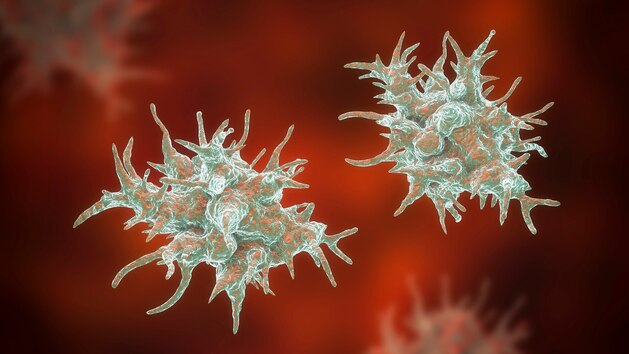
Acanthamoeba is a free-living amoeba, which is a type of one-celled organism that lives in water, soil and dust, according to the Centers for Disease Control and Prevention (CDC).
The agency said it can also be found in freshwater, still water, drinking water systems, humidifiers, swimming pools, hot tubs, heating systems and HVAC systems.
Most people will be exposed to Acanthamoeba during their lifetime and not get sick. However, for some people, it can cause infections of the eyes, sinuses, skin and brain, according to the CDC.
People can get sick from inhaling the amoeba or the organism entering a cut or open wound. It can get into the eyes from using contact lenses.
There are two types of Acanthamoeba infections, the CDC says. The first type, non-keratitis Acanthamoeba infection, is a rare but serious infection that usually occurs in people with weakened immune systems and can affect one or many parts of the body including the brain, skin, nasal cavity and sinuses.
According to a study cited in a 2024 CDC report, non-keratitis Acanthamoeba infections are rare, only affecting between three and 12 people every year in the U.S., but with 82% of cases being fatal.
The second type, Acanthamoeba keratitis, is an eye infection that typically occurs in healthy people and can cause permanent vision loss, according to the CDC. Most Americans get this infection from wearing contact lenses and it usually doesn't spread to other parts of the body.
To lower one's risk, the LDH recommends using distilled, sterile or previously boiled and cooled water for nasal irrigation devices.
The LDH said it recommends that contact lens wearers never use tap water to clean or store the eyewear and instead use contact lens solution as well as proper cleaning and storage methods. The agency also advises removing contact lenses before swimming, showering or using a hot tub.
The department of health added that it has issued a health advisory to Louisiana healthcare providers to increase awareness and early recognition as well as reinforcing prevention recommendations.
Stock photo of an infant receiving formula. (Oscar Wong/STOCK PHOTO/Getty Images)
The Food and Drug Administration (FDA) announced on Thursday it is proposing a new rule that will update the nutrient requirements for infant formula.
The Department of Health and Human Services (HHS), which oversees the FDA, said in a press release that it would be the first major update to infant formula standards in nearly 30 years.
The proposed rule would update requirements for vitamin A, vitamin D, iodine and manganese as well as reaffirm existing requirements for chloride, potassium, selenium and sodium, the agencies said.
It would also change the units of measure for two nutrients and request public input on possible requirements for ingredients not currently required in infant formula but sometimes added by manufacturers, they noted.
The ingredients not currently required include arachidonic acid (ARA), docosahexaenoic acid (DHA), and L-carnitine. Some studies have suggested they contribute greatly to infant growth, brain development and health.
The agency said there will be additional phases looking at the remaining required nutrients, potential new nutrient requirements and carbohydrate sources.
The FDA said it will welcome public comment during its phases and, in the future, will issue one final rule to cover all the proposed changes.
The FDA also released new data on chemical contaminant testing for infant formula and found that most samples tested had "low or non-detectable levels of chemical contaminants."
"Parents deserve confidence in every bottle they feed their baby," HHS Secretary Robert F. Kennedy, Jr. said in a statement, in part. "We will hold infant formula manufacturers to rigorous scientific standards and put babies' health first."
Last year, the HHS and FDA announced they would review the nutrition quality of infant formula in the U.S.
The FDA said the review -- part of its "Operation Stork Speed" initiative -- would look at whether current nutrient requirements need to be updated, including whether additional nutrients need to be considered.
Under current law, the HHS secretary reviews the table of required nutrients every four years as appropriate.
The FDA currently specifies 30 nutrients that must be included in infant formulas. There are minimum amounts for all 30 nutrients and maximum amounts for 10 nutrients, according to the agency.
Among the nutrients currently required are protein and fat, as well as vitamins A, D, E, K, folic acid, iron, magnesium and zinc.
Last year, then-FDA commissioner Dr. Marty Makary discussed removing seed oils from infant formulas. Many commercial baby formulas contain seed or vegetable oils due to the essential fatty acids they provide.
"Generally, they're believed to be pro-inflammatory," Makary said of seed oils during an interview on "Fox & Friends" in June 2025. "We don't want babies with general body inflammation. Forty percent of our nation's kids have a chronic condition. Many of those are tied to inflammation and insulin resistance."
Doctors have previously told ABC News that seed oils are not pro-inflammatory and can help lower glucose levels, improve insulin sensitivity, reduce bad (LDL) cholesterol, reduce triglycerides and increase levels of positive (HDL) cholesterol.
ABC News' Katie Kindelan contributed to this report.
Cochliomyia hominivorax, the New World screwworm fly, is a species of parasitic fly that is well known for the way in which its larvae (maggots) eat the living tissue. (Ramdan Fatoni/Getty Images)
Arizona officials confirmed the state's first case of an animal diagnosed with New World screwworm (NWS).
This is the third state in the U.S. to report an animal case of the flesh-eating parasite. Previously, only Texas and New Mexico had reported infections among animals, according to data from the U.S. Department of Agriculture (USDA). Officials note that the risk to public health is low.
No human cases have been reported this year. Last year, a Maryland resident who recently returned from travel to El Salvador was found to be infected with NWS, a Department of Health and Human Services spokesperson told ABC News at the time.
The Arizona Department of Agriculture (AZDA) said on Wednesday that the case was identified in a canine in Cochise County, located in southeast Arizona on the border with Mexico.
A local veterinarian examined the animal on Monday and found a wound on the canine's back "heavily infested with maggots" that were consistent with characteristics of NWS, according to AZDA. Testing confirmed the species.
The canine is currently under veterinary care, and AZDA said it is working with the attending veterinarian and the canine's owner to gather additional information.
"We have been preparing for this possibility for a long while and are acting swiftly," Dr. Ryan Wolker, state veterinarian, said in a statement. "Because of the extensive outreach, coordination and surveillance already in place, Arizona producers, veterinarians and pet owners know what to look for and how to report suspected cases. That preparation is allowing us to move quickly to protect animal health in the state."
According to local officials, the USDA is responding by establishing an infested zone, increasing animal surveillance and performing outreach to local partners.
NWS is a species of parasitic fly that feeds on live tissue and can cause myiasis, which is an infestation of larvae, or maggots, according to the Centers for Disease Control and Prevention (CDC).
They can infest many types of animals, including livestock, pets, wildlife and, in rare instances, humans.
The name refers to the way in which maggots screw themselves into the tissue of animals with their sharp mouth hooks, causing extensive damage and often leading to death.
Screwworm was eradicated for decades in the U.S. through a technique in which male screwworm flies are sterilized and then released into the environment to mate with females until the population dies out. However, cases among livestock have migrated up through the southern border over the past year.
AZDA said it is calling for the release of sterile flies in the area to help suppress the fly population and "prevent the pest from becoming established."
People who travel to outbreak areas, spend time among livestock animals, sleep outdoors and have an open wound are at greater risk of NWS, according to the CDC.
The Health and Human Service said Wednesday it will temporarily allow compounding pharmacies to make six peptides available by prescription.
The peptides include BPC-157, TB-500, epitalon, MOTS-c, KPV and semax. The substances have been promoted online for anything from tissue repair to better skin. Some also promote longevity, though scientific evidence on these claims remains unclear.
The HHS announcement cites safety and freedom as reasons for the decision.
"Under President Trump’s leadership, HHS is working to put prevention and patient safety at the center of health care—and that includes confronting the risks of black-market peptides," the federal health agency said in a statement. "The policy does not grant FDA approval or establish clinical safety and effectiveness. It requires patient-specific prescriptions, traceable ingredients, quality testing, and safety reporting to hold compounders accountable and give patients an alternative to unregulated sellers."
An independent FDA panel voted in July to recommend six peptides to the 503A bulks list, which are ingredients that compounding pharmacies can use for specialized or individualized prescriptions.
Peptides are a broad term for a molecular structure. They can be synthesized such as medications like insulin and GLP-1 drugs, which have both been FDA approved for safety and efficacy following clinical trials. There are no published clinical trials that provide evidence that these specific peptides that became available today are effective in humans for any condition.
Doctors warn that these unregulated products may not be what is advertised and may be contaminated or inaccurately dosed.
In 2023, the FDA classified 19 peptides as unsafe to be compounded, a process where a specialized pharmacy mixing ingredients that are specific for a patient. HHS Secretary Robert F. Kennedy Jr. has previously claimed that action was illegal.
Escherichia Coli (E. Coli.) bacteria under a microscope (Getty Images stock photo)
Health officials in central California are reporting cases of E. coli possibly linked to a local farm.
The County of San Luis Obispo Public Health Department (SLOPHD) said on Monday it has confirmed five cases of Shiga toxin-producing E. coli infection.
The five cases are among two adults and three children, Tom Cuddy, public information officer for SLOPHD, told ABC News. The children are "seriously ill and in ... pediatric intensive care," Cuddy said.
The health department said it is investigating a potential link to Brookshire Farms, known for having a pumpkin patch, corn maze, hayrides and other activities during the fall. Cuddy confirmed that all five patients had visited Brookshire Farms.
Anyone who visited Brookshire Farms between Oct. 16 and Oct. 26 and is experiencing symptoms such as abdominal cramping and bloody diarrhea about three to 10 days post-visit should contact their healthcare provider, the department said.
Cuddy said it is possible that additional cases will be identified as the investigation continues.
"We are working to determine whether other people may have been exposed and encourage anyone who visited Brookshire Farms during the suspected exposure period and develops symptoms to immediately contact their healthcare provider," he said.
The department said the source of the cases is still under investigation, and it is unclear how long the investigation will take.
SLOPHD also encouraged individuals who are contacted by officials to cooperate and answer requests for information to help identify the source of the infections.
The release said Brookshire Farms is cooperating with the health department. SLOPHD said the farm is closing temporarily while health officials complete their investigation.
"We are gathering information about the activities and potential exposures of people who became ill," Cuddy said. "The investigation is ongoing, and we have not yet confirmed the specific source of the infections or the circumstances of exposure."
Brookshire Farms did not immediately return ABC News' request for comment.
E. coli are bacteria found in many places, including in the environment, foods, water and the intestines of people and animals, according to the Centers for Disease Control and Prevention (CDC).
Most E. coli are harmless, but some can make people sick, causing symptoms including abdominal cramping, watery or bloody diarrhea, vomiting and a low-grade fever, the CDC said.
A few strains of E. coli are known as Shiga toxin-producing E. coli, meaning they produce toxins that can cause severe illness. This can lead to a serious condition called hemolytic uremic syndrome, in which small blood vessels become damaged, causing clots to form that can harm the kidneys and, in turn, can lead to sudden kidney failure or death.
The department said children under age 10 are at highest risk of having complications. Cuddy said the laboratory is evaluating additional information to determine the specific strain behind the cases.
Stock image of sliced butter (Getty Images stock photo)
A plant-based butter that was recently recalled has received a risk classification from the Food and Drug Administration (FDA).
More than 1,300 cases of Miyoko's Creamery European Style Salted Plant Milk Butter had been recalled due to concerns over yeast, mold and E. coli, according to an FDA report.
The FDA on Friday classified the recall as a Class II risk level, assigned when use of or exposure to a product "may cause temporary or medically reversible adverse health consequences or where the probability of serious adverse health consequences is remote."
The voluntary recall, which was initiated on Sept. 11, affected 10 states including Connecticut, Florida, Georgia, Iowa, Illinois, Indiana, Maryland, New Jersey, New Hampshire and Wisconsin, according to the FDA report.
It's unclear if anyone fell ill after consuming the affected product. The recall notice did not provide information on returning the product to the place of purchase for a possible refund, nor was such information available on the Miyokos website.
Prosperity Organic Foods, based in Boise, Idaho, which acquired Miyoko's Creamery last year, did not immediately return an ABC News request for comment.
Miyoko's recalled product is sold in eight-ounce packages with a Universal Product Code (UPC) of 857554005773, while secondary packaging sells the eight-ounce units in a six-pack, according to the FDA report.
"Product is perishable and stored refrigerated/frozen," the FDA report states. "The Product is initially packaged in wax paper wrapping and into a [solid bleached sulfate] carton. Secondary packaging is the corrugated case for shipment."
The report says the affected product's SBS carton packaging has a lot number of 07871 and a best-by date of Nov. 5, 2026. On the secondary packaging, there is a lot number of 1007871 and a best-by date of Nov. 5, 2026.
At just 34 years old, New York resident Sarah Sanders thought she was in her prime.
"I was in peak health. I mean, I worked out five days a week, super active, ready and willing to go do everything," Sanders told ABC News.
Although she felt her best, her annual gynecology visit in 2020 proved otherwise when Sanders' doctor found a lump in her breast. Over a dozen scans later came the news she never wanted to hear.
"My diagnosis was triple negative invasive ductal carcinoma. And it's unfortunately one of the more aggressive types of cancer. And at that moment, my whole world just stopped," she said.
Breast cancer in women under 50 is considered rare, but cases in younger women are becoming more common with diagnoses rising at about 1.4% per year, according to the Breast Cancer Research Foundation. In fact, breast cancer is currently the leading cause of cancer deaths in U.S. women aged 20 to 49 years old.
Even with the support of loved ones, Sanders says she felt extremely alone -- a feeling compounded by the isolation of the COVID-19 pandemic.
Dr. Shari Goldfarb, Sanders' oncologist at Memorial Sloane Kettering in New York City, told ABC News that this is a common feeling for young cancer patients. She started the "Young Women with Breast Cancer" program at MSK.
"I take care of a lot of women in their 20s and 30s and 40s. Sometimes a cancer diagnosis at a young age can make someone feel very lonely," she said. "So part of what we do with our program is we have monthly networking events where we introduce people to other people going through the same thing at the same time."
Goldfarb says women may want to consider getting a mammogram earlier than the current recommended age of 40.
"I do think women in their 30s should probably get one baseline mammogram that can be compared to subsequent mammograms," said Dr. Goldfarb. "If something doesn't feel right, get it checked out. You're never too young to get a mammogram or imaging."
As Sanders processed her cancer diagnosis and decided on a treatment plan, she faced another difficult discovery. She tested positive for the BRCA1 gene mutation.
BRCA1 and BRCA2 are tumor-suppressor genes that help repair DNA, decreasing the risk of developing cancer. Women who have the genetic mutation have a higher chance of developing breast, ovarian and pancreatic cancers. Cancer survivors like Sanders also have a higher chance of recurrence.
Sarah discovered that she inherited the gene from her dad's side of the family. Incidentally, her younger cousin and a stranger at the time, Mable Sanders, had reached out to connect.
"She reached out to me two months prior to me being diagnosed saying, 'Hi, I'm your cousin,'" she said. "And I'm like, 'Who are you?'"
Just weeks after the two had connected for the first time in their lives, Sanders shared the news of her genetic predisposition and that there was a 50% chance Mable Sanders and her sister, Norely Sanders, also had the BRCA1 gene mutation.
Following Dr. Goldfarb's guidance, Sanders encouraged her cousins to consider genetic testing.
"I told them, this is what it is. Here are choices you have if you wanna get tested. And turns out, not only did both of them get tested, but they both tested positive for the BRCA 1 genetic gene," Sanders said.
She noted how breast cancer is "extraordinarily tough," and being diagnosed in younger people more often.
"To know my cousins in particular, who I've grown extraordinarily close to, have a predisposition to it, it's hard not to cry sometimes," she said.
Mable and Norely Sanders, who were all the way on the other side of the country in Denver, were caught by surprise.
"I had no idea what this gene was before her diagnosis and before she told me. So this was all news to me," Mable Sanders told ABC News. "I remember thinking that it's so bizarre that there is a gene mutation that can cause cancer."
Norely Sanders remembered feeling scared.
"I never thought that it would affect me because I think being someone in your mid-20s, truthfully you just kind of don't think about those things," she said. "Initially my mind just kind of did the thing it does and it spiraled and just thinking of, you know, worst-case scenario."
Thanks to their cousin, Mable and Norely Sanders are able to take action.
For Norely Sanders, in her early 30s, that means annual breast exams, appointments with her genetic counselor and mammograms. Mable Sanders, 27, plans to get a prophylactic mastectomy -- a preventative operation to remove healthy breasts to greatly lower the risk of developing breast cancer.
"I've talked to my doctors, I have done a lot of research," she said. "So knowing that that's an option, it just felt like a no-brainer for me to lower my risk as much as I possibly can."
Both sisters are hoping to become mothers and plan on doing IVF to reduce the risk of passing the gene mutation to their future children. Using pre-implantation genetic testing, doctors can identify mutations and implant only healthy embryos. This reduces the likelihood of BRCA mutations being passed on.
Now, Sarah, Mable and Norely Sanders are forever bonded by their experience.
"I get chills thinking about I might have gone the rest of my life without knowing," Mable Sanders said. "She's definitely someone that I consider a guardian angel in my life."
"My heart is so full knowing that I have two people that now have the opportunity to decide how they want to progress," Sarah Sanders said. "Knowledge is power, and [being] proactive about your health is so key."
She recently reached five years of being cancer-free.
Close up of entrance sign for Centers for Disease Control and Prevention. (Getty Images stock image)
Dr. Jennifer Shuford, the Centers for Disease Control and Prevention's deputy director, has resigned, the agency said in a statement on Tuesday.
Shuford, who also served as chief medical officer, was hired for the role in April. Her last day will be Nov. 12, the CDC said.
"I am leaving to spend more time with my family," Shuford said in a statement. "I am so thankful to President Trump and Secretary Kennedy for giving me the opportunity to help lead CDC. It has been an amazing experience and I will be forever grateful for it."
In a separate statement, Dr. Erica Schwartz, the CDC's director, thanked Shuford for her time at the federal health agency.
"I am deeply grateful for Dr. Shuford's outstanding leadership and commitment to CDC and public health, especially as she has navigated an exceptionally demanding, high-profile and constantly evolving environment over the past several months," Schwartz said.
In the interim, Satish Pillai will serve as acting CDC chief medical officer and deputy director.
Shuford is board-certified in internal medicine and infectious diseases and received her medical degree from the University of Texas Southwestern Medical School, according to her bio on the CDC website.
Before joining the CDC, Shuford served as Texas' chief state epidemiologist, later becoming commissioner of the Texas Department of State Health Services.
"In this role, Dr. Shuford oversaw statewide public health programs, including infectious disease response, health promotion, epidemiology and emergency preparedness," her bio reads.
Shuford was appointed in April with two others at the same time Schwartz was nominated by President Donald Trump to serve as the next CDC director.
"These Highly Respected Doctors of Medicine have the knowledge, experience, and TOP degrees to restore the GOLD STANDARD OF SCIENCE at the CDC," Trump wrote in a social media post at the time.
Shuford has been a vocal supporter of vaccination, saying areas with declining measles vaccination rates are at an increased risk of outbreaks.
In February 2025, when a measles outbreak was spreading in western Texas, Health Secretary Robert F. Kennedy Jr. said measles outbreaks were "not unusual," adding that they happen every year.
But in an appearance on CNN the same month, Shuford described Texas' measles outbreak as "unusual" for the state.
"We haven't had this sort of an outbreak since the early 1990s and it's seriously impacting the population in that region," she said. "This community has had some falling vaccine coverage rates in recent years and so we're trying to correct that, trying to get vaccines out there to protect our population and to try to get rid of this measles outbreak that's affecting them right now."
Additionally, during the COVID-19 pandemic, while still in her role as chief state epidemiologist, Shuford appeared in a video posted on Facebook explaining how COVID-19 vaccines work, including efficacy and side effects.
Medical illustration depicting Clostridioides difficile bacteria, formerly known as Clostridium difficile, 2019. (Smith Collection/Gado via Getty Images)
Antibiotics have long been used to treat common bacterial infections from strep throat to pneumonia.
But some germs develop the ability to survive the medications designed to kill them, and they're an increasing risk to public health, the Centers for Disease Control and Prevention (CDC) warned.
In a report published Tuesday, the federal health agency said drug-resistant germs are a "growing threat to Americans."
Drug-resistant germs, including bacteria and fungi, cause an estimated 9.7 million infections and 50,800 deaths each year in the U.S., the CDC's report said.
"Antimicrobial resistance threatens modern medicine and puts millions of Americans at risk every year," Dr. Erica Schwartz, director of the CDC, said in a press release on Tuesday.
Which germs pose the greatest risk
The CDC classifies drug-resistant germs into three threat levels: "urgent," "serious" and "concerning."
Four germs fall into the "urgent" category, the agency's highest level of concern.
The first is Candida auris, a fungus that can cause anything from mild skin infections to severe, and potentially life-threatening, bloodstream infections.
Reported C. auris cases jumped more than 50% from 2022 to 2023, according to the CDC.
The fungus primarily affects patients in hospitals and nursing homes who are already seriously ill, and can spread through medical equipment such as breathing tubes or catheters.
People can also carry the fungus on their skin without getting sick and spread it to surfaces and objects around them.
The second is Neisseria gonorrhoeae, a sexually transmitted infection known as gonorrhea.
The CDC estimates there were about 787,000 drug-resistant gonorrhea infections in 2023. When left untreated, gonorrhea can lead to pelvic inflammatory disease and infertility.
"And now we're at the point where our probably broadest antibiotic class -- called carbapenems -- some of the bacteria are resistant to," Daily said.
The remaining two urgent threats are carbapenem-resistant Enterobacterales and carbapenem-resistant Acinetobacter, which can cause severe infections and are resistant to some of the strongest antibiotics available.
Carbapenem-resistant Enterobacterales aregut bacteria, including E. coli, that caused an estimated 14,878 infections in hospitalized patients and 1,252 deaths in 2023.
For patients, this resistance can mean fewer effective treatment options, longer hospital stays and an increased risk of life-threatening complications.
Infections the CDC is monitoring
Drug-resistant Neisseria meningitidis, also known as meningococcus, has been newly classified as a serious threat due to its ability to cause meningitis and bloodstream infections.
Unlike many of the germs listed in the CDC's report, which mostly spread in hospitals and nursing homes, meningococcus spreads in everyday settings through close contact, such as kissing, sharing drinks or living in close quarters like college dorms.
The CDC says this reflects a rise in drug-resistant infections in the community.
The CDC is also tracking six germs on a watch list, and their full impact isn't yet known. One example is drug-resistant ringworm, a common fungal skin infection that is becoming harder to treat with standard fungal medications.
The CDC says misusing over-the-counter antifungal creams and using steroid-antifungal cream combinations may contribute to resistance.
Daily explained that as bacteria develop resistance, scientists must continue finding ways to make antibiotics effective.
"Since the '40s, it's been this arms race, starting with penicillin," Daily said. "Some bacteria become resistant. Then we modify the antibiotic, so then it can kill the pathogen."
Why drug resistance matters
Antimicrobial resistance occurs when bacteria and fungi learn to outsmart the drugs used to treat them, leaving healthcare providers with fewer treatment options.
"The bacteria are exposed to an antibiotic; they randomly develop mutations. Some are lucky enough to have a mutation that allows them to withstand that antibiotic," Daily said.
Patients with weakened immune systems or serious underlying conditions, as well as those with medical devices, such as catheters, face especially high risks.
"People go to the hospital to get better, and sometimes they may acquire from the hospital environment a more resistant bacteria than they came in with," Daily said.
Infections commonly picked up in hospitals and other healthcare settings accounted for nearly $12 billion in healthcare costs in 2023, the report found.
Prevention efforts work
C. diff, a gut infection that causes severe diarrhea and is often triggered by antibiotic use, was downgraded from an urgent threat to a serious threat, the report said.
Infection rates fell 21% between 2018 and 2020 and rates have remained stable since.
Still, C. diff caused an estimated 412,504 infections in 2023, and adults aged 65 and older are infected at 4.5 to five times the rate of younger people.
"This data shows both the progress we've made and the significant work that remains. High-quality data help drive action, and CDC is committed to providing easily accessible information to help protect people from drug-resistant infections," Schwartz said in the press release.
The CDC says the drop in C. diff shows that infection prevention and more careful antibiotic use can make a difference.
What people can do to protect themselves
Antibiotics should only be used when prescribed by a healthcare professional. They do not work against viruses including those that cause the cold and flu, according to the CDC.
Washing hands regularly, staying up to date on recommended vaccinations and taking steps to prevent the spread of infections can also help.
"I always say to my patients, feel free to ask questions if you're sick or you have an infection in your family," Daily said. "Absolutely feel free to talk to the doctor."
Dr. Tara Howard is a fourth-year dermatology resident and a member of the ABC News Medical Unit.
Just two years after Missouri voters approved an amendment enshrining the right to reproductive freedom in the state constitution, abortion, which was also protected by the measure, is on the ballot there again.
On Nov. 3, Missouri residents will be voting on Amendment 3, only this time it would prohibit abortion, except in cases of medical emergencies, fetal anomalies, rape or incest. If the abortion is due to rape or incest, the procedure must occur no later than 12 weeks' gestation.
Since Roe v. Wade was overruled by the Supreme Court in June 2022, 13 states have ceased nearly all abortion services while four states have a six-week ban on books, according to an ABC News tally.
Following the Supreme Court decision, Missouri enacted a trigger ban, prohibiting most abortions in the state.
However, in November 2024, Missouri became the first state to overturn a near-total abortion ban through a direct vote of the people by passing Amendment 3 -- the same name as the upcoming ballot measure -- with about 52% of the vote.
"Missourians have access to abortion care because the people made it possible," Mallory Schwarz, executive director of the nonprofit Abortion Action Missouri, told ABC News. "But not even months after our 2024 vote, politicians started plotting to overturn the will of the people and now, in a couple of weeks, voters will have to vote again to protect the right to abortion that we enshrined in the constitution previously."
What is Amendment 3?
Amendment 3 would repeal the 2024 amendment that granted reproductive freedom, including abortion through fetal viability, which is typically between 24 and 26 weeks' gestation.
If approved, the amendment would also permit state lawmakers to enact legislation to regulate abortions and access to care.
Examples include laws requiring physicians providing abortion care to have admitting privileges at a nearby hospital and licensing requirements for abortion facilities.
State Sen. Adam Schnelting, who sponsored the proposal that led to Amendment 3 being placed on this year's ballot, told ABC News that passing the amendment is "critical to protecting women and children and providing Missourians with a measure that is more in line with their values than the one narrowly passed two years ago."
The amendment would also prohibit gender-affirming care procedures, cross-sex hormones or puberty-blocking drugs for minors. However, gender-affirming surgeries and medical treatments for minors are already illegal in Missouri under statutory law.
Opponents of the amendment have argued that including language about gender-affirming care is an attempt to mask the parts of the amendment that would limit abortion care.
"What politicians are trying to do is mislead voters and overturn the will of the people and ban abortion again," Tori Schafer, director of the ACLU of Missouri, told ABC News. "And they've shown they're willing to resort to all kinds of tricky tactics in order to do that."
Schafer said organizations supporting Amendment 3 don't use the word "abortion" in their ads campaigning for the amendment to pass "because they know, like we know, that abortion care is popular in Missouri."
Schnelting said the statutory ban on gender-affirming procedures and treatment for minors expires in 2027 and including that language in Amendment 3 would ensure such a ban is permanent.
Possible consequences if Amendment 3 is passed
After the trigger ban was passed in Missouri in 2022, the state's last abortion clinic in St. Louis was forced to stop providing such care.
In 2023 alone, more than 12,000 Missouri women traveled to neighboring states, including Illinois and Kansas, to receive care, according to the Guttmacher Institute, a reproductive rights organization.
Additionally, in 2025, more than 3,000 Missourians obtained medication abortions through telehealth from out-of-state clinicians, nearly four times higher than two years prior, the Guttmacher Institute found.
Some abortion providers told local news outlets they were seeing patients develop complications while waiting for treatment and some patients said they'd had to flee Missouri to seek abortion care for conditions including fetal anomalies.
"Missourians have lived under an abortion ban in the past," Schwarz said. "We've seen people turned away from the emergency room when they needed emergency abortion care. We've seen women forced to wait until their complication was serious enough that they were able to access care or have to flee the state to get care in another state that they should be able to get in their own community."
Schwarz said Abortion Action Missouri's canvassers have had conversations with Missourians against Amendment 3 from all walks of life.
One such conversation was with a Catholic voter who said they did not support abortion rights but also did not support the new amendment.
"They said, 'I'm personally pro-life, but we already voted on this and I'm voting "no" this time because politicians should be listening to the people,'" Schwarz said. "'Politicians shouldn't get to overturn any vote just because they don't like it.' And so, we are hearing that [at] the doors every day, every weekend."
Schnelting said the response to Amendment 3 from his constituents has been largely positive and called the claims that it is overturning the will of the people a "specious argument."
Anti-abortion rights groups have praised the new Amendment 3, arguing that the 2024 vote was extreme and goes beyond what Missourians have historically supported.
"Despite what voters were sold before Election Day, as soon as [2024's] Amendment 3 passed, the abortion lobby brought litigation to perform late-term abortions, end parental consent and remove every safety regulation on their industry," Marjorie Dannenfelser, president of Susan B. Anthony Pro-Life America, said in a statement last year. "Amendment 3 is far too extreme and dangerous."
Missouri is not the only state with abortion on the ballot on Nov. 3. Voters in three states -- Idaho, Nevada and Virginia -- will consider measures to protect abortion rights and, in some cases, reproductive freedom.
Schafer, from ACLU of Missouri, said other states can learn from Missouri about how access to abortion can be at risk even after voters vote to protect care.
"While this fight is really important to folks like me who live in Missouri and have to suffer the consequences of our legislature ignoring the will of the people, we know that this campaign will also impact folks all across the country," Schafer said. "We have friends in other states who have passed their own versions of the right to reproductive freedom, and we don't want this attempt by our legislature to embolden this opposition strategy across the country."
She went on, "So we know that a lot of eyes are on Missouri, and Missourians deeply believe in the right to make their own decisions free from political interference."
Hepatitis B being ready to be administered at the city's immunization and travel clinic in San Francisco, Calif., September 28, 2009. (Liz Hafalia/The San Francisco Chronicle via Getty Images)
Changes to federal hepatitis B vaccination recommendations could lead to more childhood infections and leave up to 1.8 million young adults vulnerable to the virus, a new study finds.
It comes as health experts raise concerns about the potential long-term impact of changing childhood vaccination recommendations.
In late 2025, the Centers for Disease Control and Prevention (CDC) removed the universal hepatitis B vaccination recommendation for newborns. That decision, as well as other vaccine changes by the CDC under the Trump administration, have since been placed on pause following legal action.
"These findings show why policy makers should re-implement recommendations for universal hepatitis B vaccination at birth," said corresponding author Dr. Amir Mohareb, an infectious disease physician and clinician researcher at the Center for Global Health at Mass General Brigham, in a press release Monday.
What is hepatitis B?
Hepatitis B is a viral infection that attacks the liver and can cause either a short-term illness or a lifelong infection, according to the CDC.
Many people have no symptoms while others may experience nausea, abdominal pain or yellowing of the skin and eyes, known as jaundice.
Hepatitis B spreads through contact with infected blood and other bodily fluids.
Infants are particularly vulnerable to hepatitis B. According to the American Academy of Pediatrics, approximately 90% of babies infected around the time of birth develop chronic hepatitis B.
Chronic hepatitis B can lead to serious complications, including liver damage.
"The hepatitis B vaccine can prevent potentially life-threatening chronic liver disease, which can lead to liver cancer," Dr. Alok Patel, clinical associate professor of pediatrics at Stanford, told ABC News. "Since we started vaccinating at birth in 1991, infant infections have dropped by a reported 99%."
Thousands at risk without routine vaccination
To understand how changes to hepatitis B vaccine recommendations could affect children, researchers from Mass General Brigham used a computer model to follow a hypothetical group of 3.6 million babies born in the United States in 2026 through their first 20 years of life.
The researchers compared three approaches to hepatitis B vaccination for babies born to moms who test negative for hepatitis B in pregnancy.
The first followed the longstanding recommendation that all newborns receive their first hepatitis B vaccine dose shortly after birth. The second delayed the first dose until babies were at least 2 months old.
The third used a strategy called "shared clinical decision-making," meaning parents and their child's healthcare provider would discuss whether and when to vaccinate rather than routinely recommending the vaccine at birth for every baby.
The study, published in the Annals of Internal Medicine, estimated that delaying vaccination until 2 months could increase chronic hepatitis B infections by 19%, while the shared decision-making approach could increase infections by 83% compared with routinely vaccinating all newborns at birth, in 20 years.
The model also predicted that approximately 232,000 children could remain vulnerable to hepatitis B infection when they reached age 20 under the universal birth dose approach. That number increased to 474,000 when vaccination was delayed and 1.8 million under the shared decision-making approach.
Importantly, these figures represent children who could still become infected because they lack protection against hepatitis B, not children who have already developed the disease.
"We found that, even under the most optimistic conditions, the new recommendations could increase childhood hepatitis B infections by more than 80% and would result in more than half of children being susceptible to hepatitis B infection as they enter adulthood," Mohareb said.
If high-risk babies who are born to mothers who test positive for the virus or whose hepatitis B status is unknown were less likely to get a hepatitis B vaccine, the model predicted perinatal infections could double or triple in 20 years compared to keeping the universal vaccine recommendation in place.
Researchers emphasized that these findings are estimates from a computer simulation, not actual infections.
Why hepatitis B vaccination at birth matters
In December 2025, the CDC changed its longstanding recommendation that all newborns receive the hepatitis B vaccine at birth.
Under the federal guidance at the time, parents of babies born to mothers who test negative for hepatitis B can decide with their health care provider whether to vaccinate at birth or begin the series later.
Babies born to mothers who have hepatitis B or whose infection status is unknown should still receive the vaccine within 12 hours of birth, the guidance stated.
In March, a federal judge in Massachusetts judge stayed all votes taken by the members of the CDC's vaccine advisory committee, which included the removal of the universal recommendation for the hepatitis B shot at birth.
Currently, the CDC's website states that all infants should receive the hepatitis B vaccine.
In response to a request for comment, the Department of Health and Human Services pointed ABC News to a Tuesday post on X from Secretary Robert F. Kennedy Jr.
"I reject the idea that respecting parents’ choices means abandoning children’s health," he wrote in part. "Under my leadership, HHS puts informed consent, individual medical circumstances, and conversations between parents and doctors at the center of health decisions."
The American Academy of Pediatrics continues to recommend that newborns receive their first hepatitis B vaccine dose within 24 hours of birth followed by additional doses to complete the series.
Some physicians worry that the federal changes created confusion among parents and lead to fewer children receiving the vaccine.
"When a recommendation shifts from 'every baby' to 'Let's discuss it,' a lot of families hear 'optional' or 'Maybe it was never that important,'" Patel said.
Doctors and public health specialists say the vaccine is important even for babies whose mothers test negative for hepatitis B because children may encounter the virus through infected caregivers.
Physicians also warn that delaying the first dose could make it more difficult for some children to complete the recommended vaccine series.
"When parents fall off schedule or we lose them to follow-up, vaccination rates are far more likely to decline," Patel said.
Another concern is that hepatitis B can remain undetected for years, with serious complications sometimes developing decades after the initial infection.
"[If] even a small percentage of new babies go without receiving the hepatitis B vaccine ... we could potentially have many more preventable cases of chronic liver disease and liver cancer," Patel said.
"Even a small increase in childhood [hepatitis B virus] infections could have large clinical, public health and economic effects," Mohareb added.
Betsy-Ann Assoumou, MD, MBA, is a family medicine resident at Cheshire Medical Center/Dartmouth Health in Keene, New Hampshire, and a member of the ABC News Medical Unit.
Blood samples from Ebola patient. (Getty Images stock photo)
Nigeria is confirming its first Ebola case as an outbreak continues to spread in the nearby Democratic Republic of the Congo (DRC).
According to Nigeria's Federal Ministry of Health and Social Welfare, the patient is a woman who arrived on an international flight from Uganda. She was admitted to a private hospital in the Federal Capital Territory, where the capital city of Abuja is located.
The woman received care for several days before a diagnosis was confirmed through laboratory testing on Tuesday. She is currently in isolation and receiving medical care, according to the ministry.
The ministry said that 44 close contacts of the patient have been identified and public health teams are working to identify and monitor people who may have been exposed, including healthcare workers, patients, caregivers and travel contacts.
"Surveillance has been intensified, and the hospital is receiving immediate support to strengthen infection prevention and control measures," the ministry said.
The patient was confirmed to have Ebola Bundibugyo virus disease, a rare variant of Ebola behind the current DRC outbreak. There are no vaccines nor treatments.
In a press release, the World Health Organization (WHO) said this makes Nigeria the fifth country to detect Ebola Bundibugyo virus since the DRC's outbreak began in May.
The WHO said Nigeria's Center for Disease Control and Prevention has activated its incident management system to coordinate a response, including identifying cases and follow-up of contacts.
In support, the WHO said it is working "closely with health authorities to strengthen control measures, including case investigation, contact tracing, infection prevention and control, and provision of essential supplies including personal protective equipment for health workers."
It comes as Kenya's Ministry of Health reported a new case of Ebola, bringing the total number of confirmed infections to nine.
All the cases appear to be linked to the original patient, a Kenyan man who had been living in the DRC and traveled to Nairobi. That man subsequently died on Oct. 5, according to authorities.
The ministry said that 134 of 135 contacts of the original patient have been traced and quarantined and the risk to the general public remains low.
Meanwhile, the nearby DRC continues to experience its worst Ebola outbreak on record. As of Oct. 18, 9,552 cases of Ebola and 4,550 deaths have been confirmed, according to the Congo Ministry of Health, with 937 patients in isolation or hospitalized.
The case fatality rate currently stands at 48.2% while contact tracing stands at 76.9%, an improvement from the earlier days of the outbreak.
Five years after revealing she was diagnosed with the autoimmune disorder multiple sclerosis (MS), actress Christina Applegate has announced that she was misdiagnosed.
Speaking on Tuesday's episode of her MeSsy podcast, which she co-hosts with actress Jamie Lynn Sigler, Applegate said she wasn't happy to learn of the misdiagnosis, revealing that she has "gotten worse in some ways" and is "back at square one that I don't know what's going on with me."
Doctors say there's no single test that can diagnose MS. That determination depends upon multiple factors, including a patient's symptoms and various test results, all of which can change over time. Additionally, improper application of diagnostic criteria, and that fact that MS symptoms can resemble those of other conditions, can sometimes lead to misdiagnosis.
How is MS diagnosed?
"Unfortunately, there is no single diagnostic test for MS," Dr. Ilana Katz-Sand, associate director of the Corinne Goldsmith Dickinson Center for Multiple Sclerosis at Mount Sinai in New York, told ABC News. "Rather, an MS diagnosis is made by considering all available data and appropriately applying the diagnostic criteria."
She explained that clinicians look at a patient's health history, including a description of their symptoms, neurological exam results, and an MRI of the patient's brain and spinal cord.
Doctors will look for damage in the form of lesions in different areas of the central nervous system, according to the National Multiple Sclerosis Society (NMSS).
Sometimes, if additional data is needed, a doctor will recommend a lumbar puncture to check for the presence of certain proteins in cerebrospinal fluid.
"Other testing, such as examining the optic nerves and blood tests to appropriately rule out other conditions, may also be performed," Katz-Sand said.
When MS diagnostic criteria were first introduced, the average time to get an MS diagnosis was four years, the NMSS said. Then in 2024, MS diagnostic criteria were updated to help patients receive a diagnosis in days or weeks as opposed to months or years. The updates include new and enhanced tests for diagnosis, as well as specialized criteria for diagnosing children, those aged 50 and older, and those who also have other medical conditions, according to NMSS.
How common is MS misdiagnosis?
A 2024 systematic review and meta-analysis from researchers in the U.S., Sweden and Switzerland, published in the Multiple Sclerosis Journal, found that the frequency of misdiagnosis ranged from 5% to 41%, with a pooled proportion of 15% based on six studies.
Dr. Marwa Kaisey, a board-certified neurologist and associate professor of neurology at Cedars-Sinai Medical Center, said during Tuesday's MeSsy podcast episode that about 20% of patients diagnosed with MS don't have the condition.
"Almost one in five of these people who'd been told they had MS, some for decades, didn't actually have it, and a majority of them were on medication to treat their MS," she said.
Women were 2.1 times more likely to be misdiagnosed with MS compared to men, according to the 2024 review, with the time to rectify an MS misdiagnosis ranging from 0.3 years to 15.9 years from the initial diagnosis.
However, underdiagnosis was also common, according to the review, ranging from 3% to 58%, with a pooled proportion of 36% based upon four studies.
"In my experience, misdiagnosis most commonly occurs when the clinician has not considered a diagnostic 'red flag' carefully enough or has inappropriately applied the MS diagnostic criteria when a patient's history, exam or MRI findings are not typical for MS," Katz-Sand said.
Can MS symptoms resemble other conditions?
MS symptoms can sometimes "overlap" with those of other conditions, which can make diagnosis difficult or prolong it, according to Katz-Sand.
One example is optic neuritis, which is inflammation of the optic nerve that can interrupt electrical signals carrying visual information from the eye to the brain. Katz-Sand said this is a common MS symptom but it can also appear in other inflammatory conditions, such as neuromyelitis optica spectrum disorder, a rare autoimmune condition in which the immune system mistakenly attacks healthy cells and proteins, primarily targeting the optic nerves.
"Other symptoms that are common in MS, like fatigue and cognitive fogginess, are common in many other illnesses and are not specific to MS," Katz-Sand said. "The clinician will need to use clues from the way the symptoms present, the pattern of lesions on MRI, blood and spinal fluid testing and sometimes additional diagnostics to help differentiate MS from other conditions when it is not initially clear."
If someone learns that they have been misdiagnosed with MS, Katz-Sand said they should speak with their doctor to understand "why the clinician has changed their impression."
Next steps for patients may differ depending upon whether symptoms have changed or a new lab test result became available, she said.